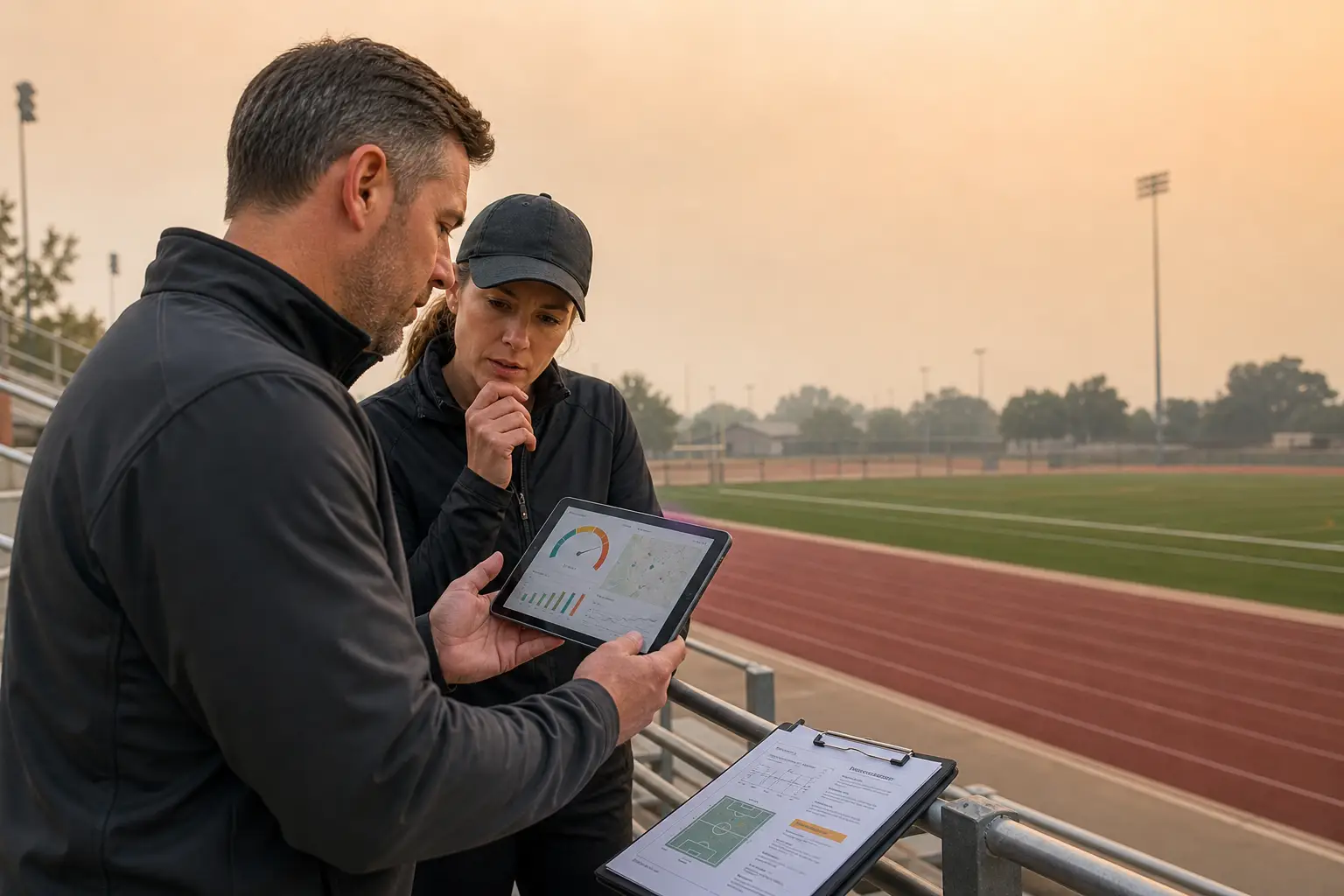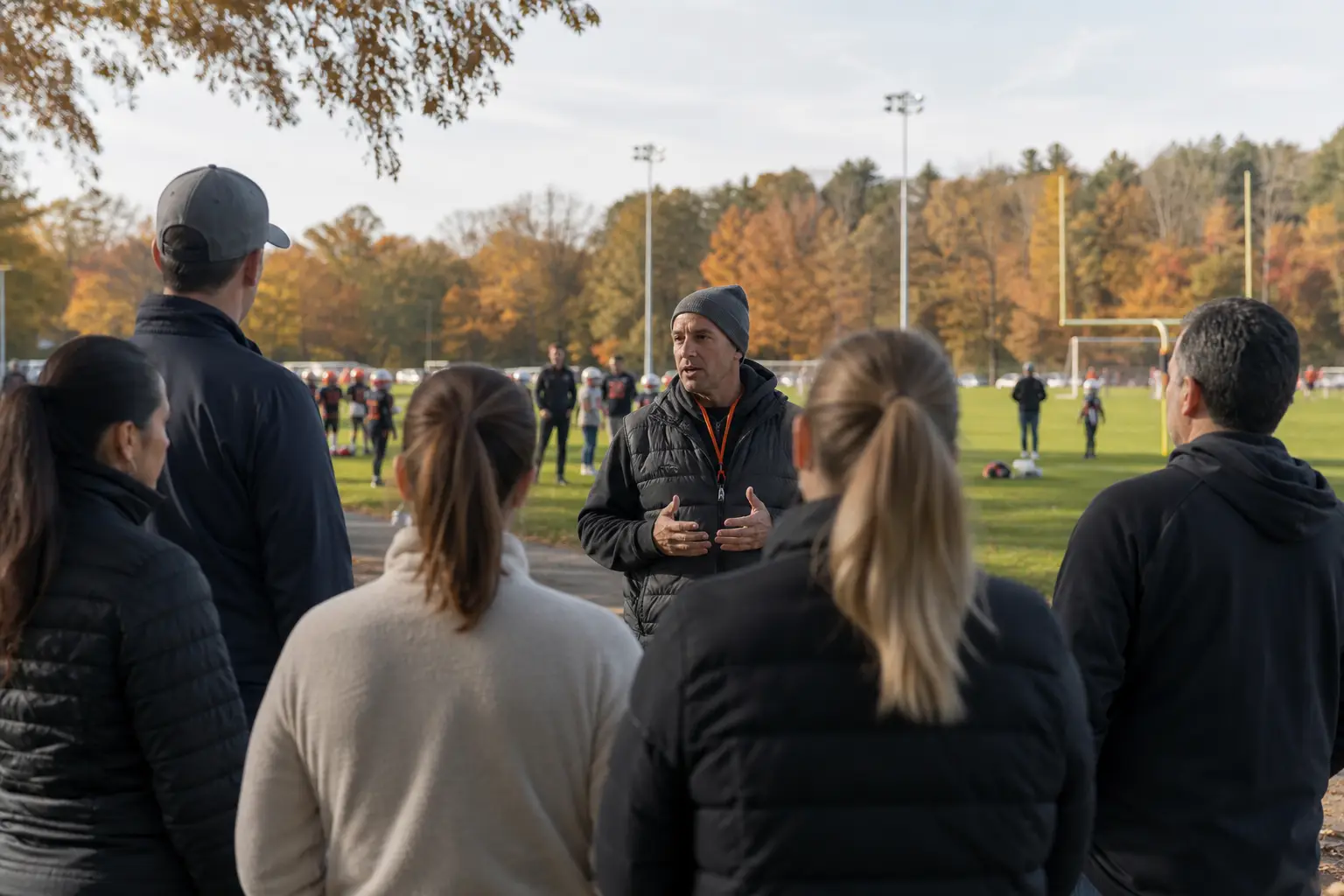
Most parents and spectators want young athletes to have a positive experience. Problems often arise not from bad intentions, but from unclear boundaries, emotional moments, and uncertainty about who should intervene.
A preseason sideline agreement can reduce that uncertainty. Unlike a code that is signed and forgotten, an agreement is introduced in person, reinforced during the season, and supported by clearly assigned responsibilities.
That matters because the athlete experience remains the central concern. A recent national survey involving 3,827 U.S. youth ages 10–17 found meaningful differences between the parental behaviors reported by current and former players. It also found that fun and playing with friends were leading reasons current players valued sports.
Why a Signed Spectator Code Is Not Enough
A written code creates a useful baseline, but it cannot explain every expectation or resolve every game-day decision. Families need to know what acceptable support sounds like, where routine questions should go, and what will happen if conduct crosses a boundary.
U.S. Soccer advises organizations to pair codes with education, communication, participant buy-in, transparent enforcement, and a culture that consistently reinforces expected behavior. In practice, that means treating the code as one part of an operating system rather than the entire solution.
The objective is prevention and consistency—not portraying parents as a problem. A functional system makes helpful behavior easy, gives volunteers a fair process, and allows coaches to remain focused on players.
Run a 20-Minute Preseason Parent Huddle
Programs can introduce the agreement during a short in-person or virtual meeting. The same presentation should be used across teams so families receive consistent information.
- Minutes 0–3: Explain the purpose. State that the program is player-centered and that sideline expectations are intended to support enjoyment, development, safety, and respect.
- Minutes 3–7: Demonstrate positive support. Give examples such as applauding effort, recognizing teamwork, and using simple encouragement like “Keep going” or “Great effort.”
- Minutes 7–10: Define the boundaries. Prohibit insults, abusive language, officiating abuse, confrontations, and unauthorized tactical coaching from the spectator area.
- Minutes 10–13: Explain communication channels. Identify who receives questions about playing time, logistics, coaching decisions, officiating concerns, and program policy. State when and how those questions may be raised.
- Minutes 13–16: Introduce the sideline lead. Explain who will monitor the spectator area and what authority that person has under program, league, school, and facility rules.
- Minutes 16–19: Review the response process. Walk through the steps from a calm reminder to removal and administrative review.
- Minute 19–20: Confirm acknowledgment. Tell families where the agreement will remain available and how they can ask follow-up questions.
Make Positive Conduct the Visible Norm
Rules are often written almost entirely as prohibitions. That can leave spectators knowing what not to do without understanding what the program wants them to do instead.
A 2026 peer-reviewed study found that prosocial parent behavior was generally perceived as common and approved, while antisocial behavior was generally perceived as uncommon and disapproved. The findings support accurate social-norm messages that show respectful conduct as the ordinary community standard.
Programs can reinforce that message in preseason materials, event reminders, and announcements: support all athletes, respect officials, leave tactical instruction to coaches, and direct concerns through the designated channel.
Assign an Event-Day Sideline Lead
The head coach should not have to leave player supervision to manage a spectator dispute. Assign a trained team manager, administrator, or spectator monitor for each event, with a backup identified before competition begins.
USA Hockey has recommended parent or spectator monitors who can address and de-escalate behavior before it disrupts play or requires intervention from officials. The role can be adapted across sports, subject to the rules governing the event.
A Simple Role Card
- Arrive knowing the applicable venue and competition rules.
- Introduce yourself to the coach and event administrator.
- Observe the spectator area without policing normal enthusiasm.
- Use brief, calm, private reminders when practical.
- Contact the authorized event official when escalation is required.
- Record significant incidents promptly and factually.
The role should never include physical intervention, arguing, investigating safeguarding allegations, or exceeding the authority provided by the organization and venue.
Use a Proportionate Response Ladder
A written response ladder helps different teams handle similar behavior consistently. Programs should establish who has authority at each stage and reconcile the process with governing-body, league, school, facility, and legal requirements.
- Calm reminder: Restate the relevant expectation and request an immediate change.
- Formal warning: Explain that the conduct has continued or is sufficiently serious to require a recorded warning.
- Removal from the venue: Refer the matter to the person authorized to direct removal under event rules.
- Administrative review: Have the designated program leader review the incident, prior concerns, applicable policy, and next steps.
- Documented follow-up: Communicate the decision privately, identify future expectations, and retain the record according to organizational policy.
Not every event must begin with a reminder. Serious conduct may require immediate escalation. The agreement should say so clearly without attempting to list every possible scenario.
Separate Sportsmanship Issues From Safeguarding Reports
Routine complaining, repeated unauthorized coaching, or disrespectful comments may follow the conduct ladder. Suspected abuse, misconduct, threats, or immediate safety risks should instead go directly through the organization’s safeguarding or emergency procedures.
Sideline leads should know that distinction before the first game. They should not promise confidentiality, conduct their own investigation, or delay an urgent report while completing an ordinary incident form.
Create a One-Page Implementation Kit
Condense the operating system into a one-page reference that can be shared before the season and kept accessible afterward. Include these five components:
- Behavior standards: Encourage athletes positively; respect participants and officials; avoid insults and confrontations; leave tactical coaching to team staff; use the stated communication channel.
- Preseason agenda: Include the seven-part, 20-minute schedule so every team delivers the same core message.
- Event-day role card: List the sideline lead, backup, scope of authority, escalation contact, and venue-specific instructions.
- Incident form: Record the date, event, location, people involved, observed words or actions, steps taken, witnesses, event impact, and person receiving the report. Separate direct observations from secondhand information.
- Post-incident checklist: Confirm immediate safety, required notifications, policy review, private follow-up, record storage, and whether broader communication is needed without identifying a family publicly.
This kit is an operational template, not universal legal policy. Each organization should adapt it to its sport, age group, governing body, facility requirements, safeguarding obligations, and applicable law.
Review the System After the First Month
After four weeks, review the number and type of incidents, removals, officiating complaints, recurring parent questions, and areas of confusion. Look for operational weaknesses rather than using the review to single out families.
If multiple spectators misunderstood the same rule, improve the language. If sideline leads were unsure who could authorize removal, clarify authority. If routine concerns reached coaches at inappropriate times, restate the communication channel.
The practical takeaway: Before the first competition, hold the 20-minute huddle, publish positive norms, name the sideline lead and backup, define the response ladder, and prepare one consistent incident form. A simple system used reliably is more valuable than a detailed code nobody can apply.
Sources & Further Reading
- Aspen Institute National Survey of Youth and Sports: 15 Key Findings
- What Parent Behaviors Are the Norms at Youth Sport Events in the US?
- U.S. Soccer Model Codes of Conduct
- Little League Parents Code of Conduct Guidance
- USA Hockey Officiating Program Update
- Parent and Guardian’s Handbook for Safer Sport